Reviewing Cello Violin with Artist Redwork
As an embroidery designer who has spent years testing digital files for real-world application, I approach every new machine embroidery design with a mix of curiosity and caution. When I first loaded the Cello Violin with Artist Redwork into my software, I was immediately struck by its understated elegance. This is not a loud, flashy pattern; rather, it is a thoughtful piece of art that speaks to musicians, music teachers, and anyone who appreciates the classical beauty of string instruments. For those of us running small shops or selling on platforms like Etsy, finding designs that balance artistic integrity with technical reliability is crucial. This review explores how this specific design performs when translated from a digital embroidery file into a tangible, personalized gift.
First Impressions: Mood and Aesthetic Appeal
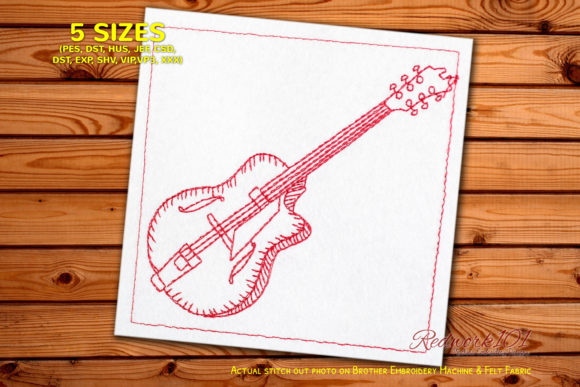
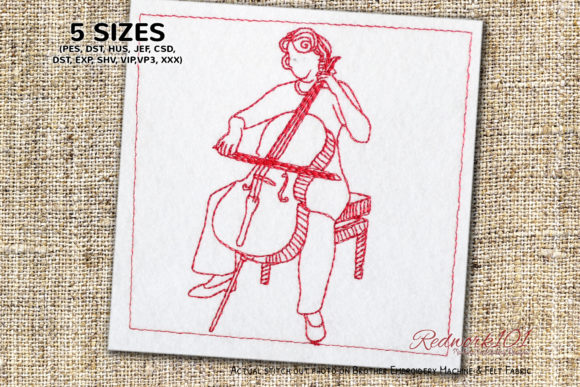
The immediate mood of the Cello Violin with Artist Redwork is one of refined nostalgia. The redwork style, traditionally associated with simple, single-color stitching, gives the instrument a vintage, hand-drawn quality. It feels sweet yet sophisticated, making it versatile enough for both playful nursery decor and elegant adult keepsakes. Unlike complex satin-stitch designs that can look bulky on certain fabrics, this outline-based approach maintains a light, airy feel. It captures the essence of Music without overwhelming the substrate. For a crafter, this means the design integrates seamlessly into larger compositions or stands beautifully on its own as a minimalist statement.
The emotional appeal here is significant. Music is deeply personal, and instruments like the cello and violin are often heirlooms or symbols of years of dedication. By choosing a design that highlights the silhouette and artistic flair of these instruments, you are tapping into a customer’s pride and passion. Whether the buyer is a parent of a young student or a professional performer, the design respects the subject matter. It feels handmade and authentic, which is exactly what modern consumers are seeking in a personalized gift.
Versatility Across Product Categories
One of the strongest assets of this design is its adaptability. In my testing, I found that Cello Violin with Artist Redwork performs exceptionally well across a variety of handmade product categories. For baby embroidery, imagine this stitched onto a soft muslin swaddle or a nursery wall hanging. The simplicity of the lines ensures it does not become stiff or uncomfortable against delicate skin, provided the right stabilizer is used. It adds a touch of classical charm to a child’s room without being overly juvenile.
For wedding gifts and family keepsakes, this design shines on linen tea towels or cotton aprons. An embroidered towel featuring this motif makes a thoughtful housewarming present for a couple who loves the arts. Similarly, stitching it onto a high-quality pillow cover can create a cozy accent for a living room or music studio. I also tested it on canvas tote bags, where the redwork contrast popped beautifully against the natural fabric texture. These items are staples for any Etsy seller looking to expand their inventory with meaningful, niche-specific products.
When considering blanket embroidery, the design works well on fleece or minky, but care must be taken with hoop placement to ensure the lines remain crisp. For craft fair products, this design allows for quick production times compared to dense fill stitches, enabling small business owners to keep costs down while maintaining a high perceived value.
Technical Considerations and Fabric Challenges
While the design is charming, practical application requires attention to detail. The description notes that the box stitch shown in pictures is optional and that the outer box color may vary. This flexibility is a double-edged sword. On one hand, it allows for customization; on the other, it requires the embroiderer to make informed decisions about thread colors and composition. I strongly advise checking the specific details of your embroidery file before hooping. If the box is not part of the core design, you can skip it to maintain a cleaner, more modern look, especially on smaller items.
Fabric texture plays a massive role in the final outcome. On smooth cotton or linen, the redwork lines will appear crisp and defined. However, on textured fabrics like terry cloth towels or waffle-weave kitchen linens, the fine details might get lost. In such cases, increasing the stitch density slightly or using a heavier weight thread can help the design stand out. Conversely, on stretchy baby clothes, proper stabilization is non-negotiable. Without a cut-away stabilizer, the outline of the violin or cello could distort after washing, ruining the aesthetic of your custom embroidery project.
Dark fabrics present another challenge. Since redwork is typically monochromatic, ensuring sufficient contrast between the thread and the fabric is vital. A deep red thread on a navy blue shirt might blend in too much, whereas a bright crimson on white cotton creates a striking visual. Always create a printable mockup or test stitch on scrap fabric to verify visibility before committing to the final product.
Enhancing Giftability and Customer Trust
From a business perspective, the Cello Violin with Artist Redwork enhances the giftability of your items. Customers are not just buying a towel or a pillow; they are buying an emotional connection. A design that reflects a recipient’s hobby or passion signals that the giver put thought into the selection. This perceived value allows small shop owners to command higher price points. Furthermore, consistent quality in stitching builds customer trust. When a buyer receives a finished product that looks professional and durable, they are more likely to leave positive reviews and return for future purchases.
Product photography also benefits from this design. The clean lines and classic subject matter photograph well in natural light, allowing for lifestyle shots that resonate with buyers. Whether you are showcasing a wedding gift setup or a nursery scene, the design adds a layer of sophistication that elevates your brand image.
Practical Tips for Embroiderers
- Test on Scrap Fabric: Always run a test stitch on the same type of fabric you plan to use for the final item. This helps you adjust tension and density.
- Check Thread Color Contrast: Ensure your chosen thread color stands out against the background fabric. Redwork relies on this contrast for impact.
- Confirm Hoop Size: Verify that the design fits comfortably within your hoop, leaving enough margin for stable hooping.
- Review Stitch Density: If the design feels too light on thick fabrics, consider adjusting settings or using a topping to prevent sinking.
- Use Proper Stabilizer: Match your stabilizer to the fabric weight. Cut-away for stretchy knits, tear-away for stable wovens.
- Compare Light and Dark Mockups: Visualize how the design looks on different backgrounds to offer customers varied options.
- Check Small Details: Inspect the stitched sample for any thread breaks or loose ends, particularly in the intricate curves of the instrument.
- Confirm Commercial Licensing: Before selling items made with this commercial embroidery design, ensure you have the appropriate rights from the creator.
In conclusion, the Cello Violin with Artist Redwork is a versatile and emotionally resonant addition to any embroiderer’s library. It bridges the gap between artistic expression and practical application, making it ideal for a wide range of small shop product offerings. By paying attention to fabric choice, stabilization, and thread contrast, you can create stunning, high-quality items that delight customers and celebrate the beauty of music.