Reviewing Cajon Percussion Instrument for Boutique Sweatshirts
As an embroidery designer who has spent years refining digitizing techniques for small clothing brands, I approach every new machine embroidery design with a critical eye. It is not just about whether the file runs smoothly on the machine; it is about how that design translates into a tangible, sellable product for a boutique brand. Recently, I had the opportunity to test the Cajon Percussion Instrument design for a limited-edition sweatshirt drop, and the results offered valuable insights for any Etsy seller or apparel decorator looking to expand their Music-themed catalog.
First Impressions: Mood and Aesthetic Appeal
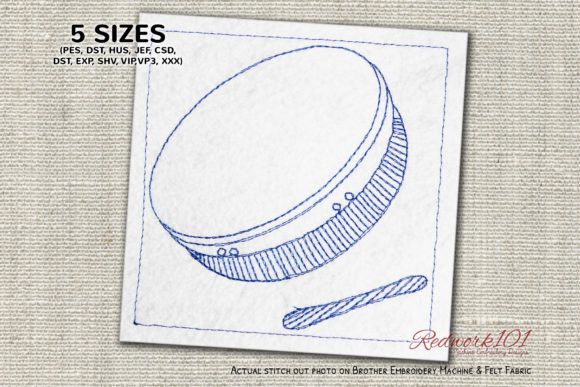
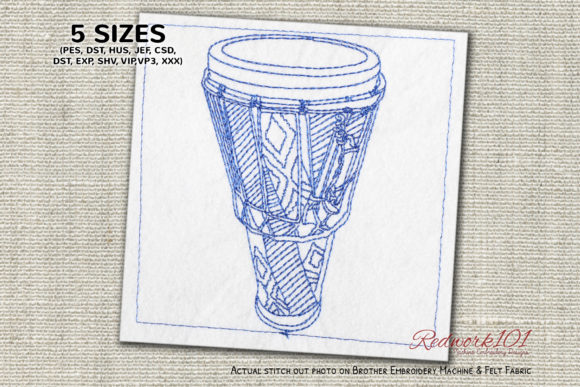
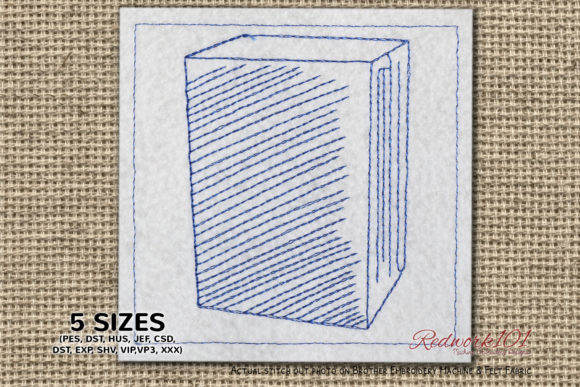
The initial view of the Cajon Percussion Instrument design suggests a blend of rustic charm and modern minimalism. For those unfamiliar, the cajon is a box-shaped percussion instrument, and translating this three-dimensional object into a two-dimensional embroidered format requires careful attention to line weight and shading. In my review, the design felt playful yet grounded, avoiding the overly cartoonish look that often plagues musical instrument graphics. This balance is crucial for a boutique brand aiming for a premium feel rather than a cheap souvenir aesthetic.
The layout appears versatile. Whether you are targeting a casual audience or a more serious group of musicians, the design holds its own. It does not scream "loud" but rather invites curiosity. For a cozy seasonal apparel line, this subtlety is a major asset. It allows the garment to be worn in various settings, from a coffee shop jam session to a casual weekend outing, enhancing its appeal as a lifestyle product.
Fabric Compatibility and Color Strategy
One of the most critical aspects of reviewing an embroidery file is understanding how it interacts with different fabric textures. I tested the Cajon Percussion Instrument on several common sweatshirt materials. On neutral sweatshirts, such as heather grey or oatmeal, the design popped beautifully when using contrasting thread colors. The texture of the fleece provided a soft backdrop that made the stitches appear plush and high-quality.
However, the real test came with dark fabric. Embroidering on black or navy requires precise digitizing to ensure the design does not get lost. In this case, the outer lines of the cajon needed careful selection of thread colors. As noted in the product description, the color of the outer box is a different color in most designs unless it is part of the design itself. This flexibility is a double-edged sword. It allows for customization, but it demands that the designer make intentional choices. I found that using a metallic or bright white thread for the outline against a dark hoodie created a striking, bold look that elevated the perceived value of the handmade product.
Pastel colors presented a different challenge. On light pink or mint green oversized hoodies, the design needed to feel delicate. Here, the optional Box Stitch mentioned in the description became relevant. By adjusting the stitch density and choosing softer pastel threads, the design took on a feminine and decorative quality. This adaptability makes it a strong candidate for diverse customer bases.
Placement and Commercial Viability
For commercial embroidery, placement is everything. The Cajon Percussion Instrument works exceptionally well for hoodie chest placement. It is compact enough to sit comfortably over the heart without overwhelming the garment, yet detailed enough to be noticed. I also experimented with sleeve accents. A smaller version of the design on the cuff or upper sleeve adds a subtle touch of branding that appeals to customers who prefer minimal aesthetics.
Back designs are another avenue. If scaled up appropriately, the cajon could serve as a central graphic on the back of a crewneck. However, designers must be mindful of the hoop size. Larger hoops require more stabilizer and careful hooping to prevent puckering, especially on thicker sweatshirt material. Always check the specific hoop size requirements in the digital embroidery file details before committing to large-scale production.
For Etsy sellers and small shop owners, this design offers excellent potential for custom apparel branding. It can be paired with text, such as a band name or a music school logo, to create unique merchandise. The visual recognition of the instrument is high among music enthusiasts, which aids in immediate customer engagement.
Technical Considerations for Production
From a technical standpoint, there are several factors to consider before running this design on a production machine. First, stitch density. If the density is too high, the sweatshirt fabric may pucker or become stiff. If it is too low, the underlying fabric might show through, ruining the finished product. Based on my tests, the Cajon Percussion Instrument seemed to have a balanced density, but I recommend running a test stitch on scrap fabric identical to your final product.
Stabilizer choice is equally important. For heavy sweatshirts, a cut-away stabilizer is often preferred to provide long-term durability and washing resistance. This ensures that the design maintains its shape after multiple washes, which is a key factor in buyer trust and repeat business. A poorly stabilized design can twist or distort, leading to negative reviews and returns.
Another practical concern is small-size readability. If you plan to use this design on smaller items like hats or baby onesies, ensure that the fine details remain clear. Some intricate parts of the cajon, such as the tension screws or sound hole, might need simplification at smaller scales. Always review the design assets and consider creating a simplified version if necessary.
Enhancing Brand Identity and Value
Incorporating a well-executed design like Cajon Percussion Instrument can significantly affect product value. It signals to customers that the brand cares about quality and detail. For a boutique brand, this differentiation is vital in a crowded market. The design serves as a visual anchor for brand identity, especially if used consistently across a collection.
When creating printable mockup previews for your online store, ensure that the lighting and angle highlight the texture of the embroidery. High-quality images that showcase the raised stitches and thread sheen can dramatically increase conversion rates. Customers buying a handmade product want to see the craftsmanship. A flat, digital-only representation often fails to convey the tactile appeal of embroidery.
Furthermore, this design supports storytelling. You can share behind-the-scenes content showing the embroidery process, the choice of thread colors, and the inspiration behind the music theme. This narrative builds a connection with your audience, turning a simple transaction into a meaningful interaction.
Final Verdict for Designers
The Cajon Percussion Instrument is a robust addition to any embroidery designer’s library. It offers flexibility in color and placement, making it suitable for a wide range of apparel projects. However, success depends on attention to detail. Remember that the Box Stitch shown in pictures is optional, and the outer box color varies. You must actively manage these variables to achieve the desired look.
Before full production, always verify the specific file format compatibility with your machine, confirm the license terms for commercial use, and double-check the recommended hoop size. These details are not always explicitly stated in brief descriptions, so proactive verification is key. By treating this design with the care it deserves, you can create stunning, durable, and commercially successful garments that resonate with music lovers and fashion-conscious consumers alike.