Owl Ornament Design: A Craft Fair Review
As an embroidery designer who has spent countless weekends behind a booth table, I know that not every machine embroidery design translates into a bestseller. Some designs are technically perfect but lack the immediate visual punch needed to stop a scrolling thumb or a walking customer. Today, I am reviewing the Owl Ornament Design, specifically looking at it through the lens of a craft fair seller and handmade business owner. This is not just about aesthetics; it is about viability, production speed, and market appeal.
First Impressions and Visual Appeal
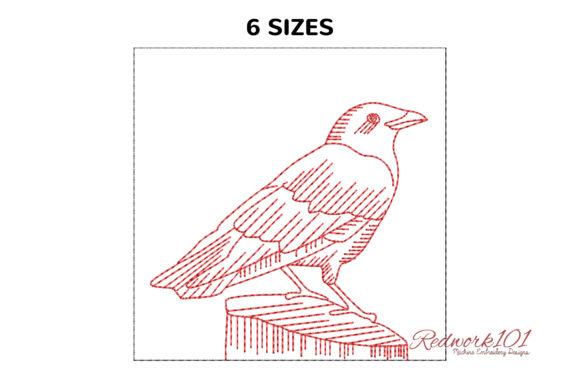
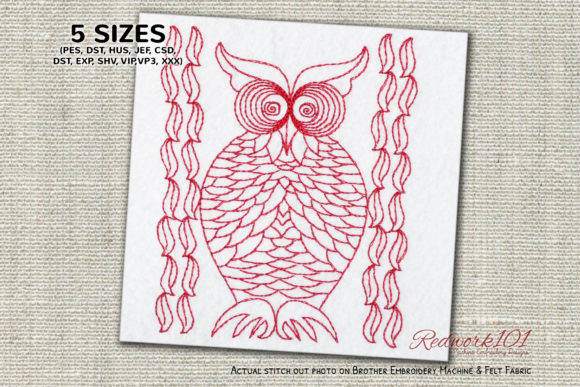
The first thing that strikes me about this Owl Ornament Design is its versatility within the Birds category. Owls have a unique ability to bridge several popular aesthetic trends simultaneously. They can be rustic and farmhouse-style, cute and whimsical for children’s items, or sleek and modern depending on the thread choices. The description notes that this is a Redwork style with an optional Box Stitch. This is a crucial detail for us as producers. Redwork traditionally relies on a single color, usually red, on white or neutral fabric. This simplicity is a massive advantage for batch production because it eliminates the hassle of frequent thread changes.
The optional box stitch adds a layer of customization. If you choose to include it, ensure the color contrasts sharply with the background. However, the note stating that the outer box color is different in most designs unless part of the design itself suggests flexibility. You can skip the color if it complicates your workflow. For a busy craft fair weekend, skipping non-essential elements can save you hours of machine time. The design feels decorative yet minimal, which aligns perfectly with current consumer preferences for clean, intentional handmade goods.
Product Applications for Maximum Sales
When preparing my booth display, I always ask: where does this design live? The Owl Ornament Design is not limited to holiday ornaments. Its scale and style make it an excellent candidate for a variety of craft fair products. Here is how I would deploy this embroidery file across my inventory:
- Tote Bag Design: Placed centrally on a canvas tote, this owl becomes a statement piece. It appeals to book lovers and teachers, two demographics that frequently support small shops.
- Apron Embroidery: A bib apron with this motif sells well during the holiday season. It suggests warmth and home cooking, enhancing the emotional value of the handmade product.
- Tea Towel Embroidery: Kitchen textiles are high-volume sellers. The redwork style looks classic on flour sack towels, offering a timeless look that doesn't feel dated.
- Embroidered Patch: If the design is digitized with a satin border, it can be turned into iron-on patches. These are great impulse buys for customers who want to customize their own jackets or bags.
- Pillow Covers: A small accent on a linen pillow cover adds texture and interest without overwhelming the room's decor.
For Etsy sellers and digital creators, this design also serves as a strong asset for printable mockups. Showing the owl on a cozy winter mug or a rustic wooden sign in your listing images can increase click-through rates, even if you are selling the physical finished product.
Production Practicality and Quality Control
From a production standpoint, the simplicity of Redwork is both a blessing and a potential pitfall. Because the design relies on outline stitches rather than dense fill areas, it runs quickly. This is vital for maintaining healthy profit margins on small shop products. However, we must address stitch density and fabric interaction. Since there is minimal fill, the design will not hide imperfections in the fabric. You must use high-quality blanks.
One critical consideration is the hoop size. While the prompt does not specify exact dimensions, owl designs often require a medium hoop to capture the character’s expression. Always check the specific file details before purchasing. If the design is too small, the intricate details of the owl’s feathers or eyes may get lost, especially on textured materials. Conversely, if scaled up too large without adjusting density, the stitches may gap, revealing the fabric underneath.
When working with fabric texture, such as waffle-weave tea towels or thick denim caps, test the design on scrap fabric first. Textured surfaces can cause needle deflection, leading to uneven lines. For curved surfaces like caps, ensure you are using the correct stabilizer to prevent puckering. A wrinkled owl does not convey the premium quality customers expect from commercial embroidery.
Strategic Selling and Brand Consistency
How does the Owl Ornament Design affect your brand? Consistency is key. If your brand is known for bold, colorful designs, a single-color redwork owl might feel out of place unless marketed as a "classic collection" item. However, if your brand leans toward rustic, vintage, or minimalist aesthetics, this design strengthens your brand identity. It signals attention to detail and a respect for traditional crafting methods.
In a crowded marketplace, clarity sells. This design is easy to understand at a glance. Customers do not need to squint to see what it is. This immediate recognition reduces hesitation and speeds up the decision-making process at your booth. Furthermore, because it is a digital embroidery file that can be reproduced infinitely with consistent quality, it allows you to build a cohesive line of products. You can offer the same owl on a tote, a towel, and a patch, creating a recognizable visual theme that encourages multiple purchases.
Essential Designer Notes for Success
Before you commit to producing fifty units for your next market, follow these practical steps to ensure success:
- Test on Scrap Fabric: Never run a new design directly on a sellable item. Test on the exact same material and weight to check for puckering or thread breaks.
- Check Thread Contrast: Redwork relies on contrast. Ensure your thread color stands out against the fabric. On dark fabrics, consider using a lighter thread or verifying if the design includes underlay stitches sufficient for coverage.
- Review Spacing and Density: Inspect the stitch path. Are there long jumps that could snag? Is the density appropriate for the fabric type?
- Confirm Commercial Licensing: This is non-negotiable. Before selling any finished product made with this design assets, confirm that the license allows for commercial use. Some designers restrict the number of physical items you can sell.
- Create Real Mockups: Photograph the actual stitched item. Digital mockups are helpful, but photos of the real texture and sheen of the thread build trust with online buyers.
The Owl Ornament Design represents a smart choice for embroiderers looking to expand their Birds themed collection. It balances aesthetic charm with production efficiency. By understanding its strengths in redwork simplicity and its adaptability across various handmade product categories, you can leverage this design to boost both your creative portfolio and your sales revenue. Whether you are an experienced Etsy seller or a newcomer to craft fairs, this design offers a reliable pathway to creating items that customers love to buy and keep.