Abstract Women Design Pattern: A Craft Fair Review
As an embroidery designer who has spent countless weekends behind a booth table, I have learned that not every digital file translates into a best-selling craft fair product. Some designs look stunning on a screen but fail to catch the eye of a passerby. Today, I am reviewing the Abstract Women Design Pattern, a piece that promises to be more than just decoration. It aims to encourage thoughtful endeavors, much like a painting. For those of us running small shops or selling as an Etsy seller, understanding how this design performs in the real world is crucial for profitability and brand consistency.
First Impressions and Visual Appeal
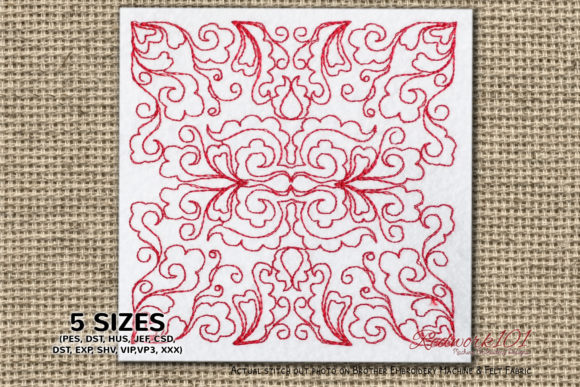
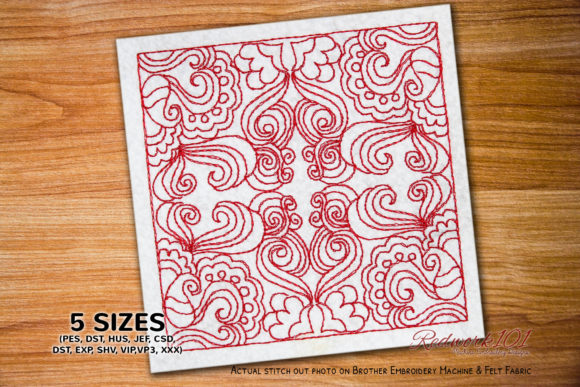
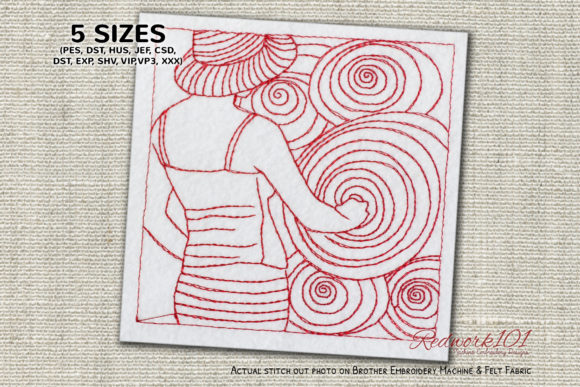
The first thing that strikes me about the Abstract Women Design Pattern is its artistic depth. Unlike standard clip-art style graphics, this design carries a sense of elegance and modern sophistication. It does not scream for attention with neon brightness; instead, it invites the viewer to look closer. This makes it an excellent choice for customers who appreciate handmade quality and unique aesthetics. While it falls under the Paisley category in some databases due to its flowing lines, it feels distinctly contemporary.
The description notes that the Box Stitch shown in the picture is optional. This is a significant feature for production flexibility. The outer box uses a different color in most variations, which allows us to customize the look based on the fabric we are using. For a boutique maker, this means the same digital embroidery file can serve multiple product lines simply by changing thread colors. It feels premium, soft, and decorative without being overly busy.
Product Versatility for Handmade Markets
When preparing a table display, variety is key. I evaluated where this design would stand out among typical fair items. Here is how it performs across different mediums:
- Tote Bag Design: This is likely the strongest application. The abstract nature of the woman’s silhouette looks sophisticated on canvas. It transforms a simple bag into a wearable art piece, appealing to buyers looking for a small shop product with character.
- Apron Embroidery: For kitchen-focused booths, this design adds a touch of class. It moves away from cute farmhouse clichés and offers something more refined for the home chef.
- Tea Towel Embroidery: Caution is needed here. Because the design is abstract, it must be scaled correctly. If the details are too fine, they may get lost in the looped texture of terry cloth. However, on flat-woven linen towels, it shines as a high-end gift item.
- Embroidered Patch: Creating patches allows for batch production. This design works well as a focal point on a patch, provided the stitch density is managed to prevent puckering on smaller scales.
- Pillow Covers and Pouches: These items benefit from the "painting-like" quality of the design. It serves as a conversation starter, encouraging buyers to touch the fabric and admire the thread colors.
Production Practicalities and Technical Notes
Before committing to a large run of commercial embroidery products, we must address the technical realities. The description mentions that the color of the outer box varies. This suggests the design relies on contrast. When working with dark fabric, you must ensure your thread choices provide enough pop. A navy thread on a black shirt will vanish, ruining the visual impact.
Another critical factor is the optional Box Stitch. If you choose to include it, verify the hoop size requirements. A larger hoop may be necessary to accommodate the full frame without re-hooping, which can lead to alignment issues. For curved surfaces like caps, the box might distort if the stabilizer is not robust enough. I recommend using a cut-away stabilizer for garments that will be washed frequently to maintain the integrity of the abstract lines.
Dense stitch areas can be problematic on textured fabrics. If you are embroidering on a thick denim or a plush towel, check the underlay settings in your software. You may need to adjust the pull compensation to ensure the abstract shapes remain crisp and do not merge into a blob of thread. Always test the design on scrap fabric first. Do not assume the default settings will work for every material.
Selling Strategy and Customer Engagement
From a sales perspective, the Abstract Women Design Pattern supports higher price points because it feels like art. Customers at craft fairs are often looking for something unique that they cannot find in big-box stores. This design helps achieve that exclusivity. It photographs beautifully for online listings, especially when paired with neutral backgrounds that let the abstract lines stand out.
To maximize engagement, create a printable mockup or a physical sample that shows the design in multiple colorways. Display one version with bold, contrasting threads and another with subtle, tonal threads. This demonstrates versatility to potential wholesale buyers or custom order clients. Highlighting the "thoughtful endeavor" aspect in your product description can connect emotionally with buyers who value mindfulness and creativity.
Key Checklist for Embroidery Business Owners
- Test on Scrap Fabric: Never skip this step. Check for thread breaks and tension issues.
- Check Thread Contrast: Ensure the abstract lines are visible against your chosen fabric color.
- Review Spacing: Make sure elements do not overlap unintentionally, which can cause needle hits.
- Confirm Hoop Size: Verify the dimensions fit your machine’s capabilities without excessive re-hooping.
- Inspect Stitch Density: Adjust if necessary to suit lightweight or heavy fabrics.
- Use the Right Stabilizer: Match the stabilizer to the fabric texture to prevent distortion.
- Create Real Mockups: Photograph finished products to use as design assets for marketing.
- Compare Fabric Colors: Test the design on light, medium, and dark fabrics to see which sells best.
- Confirm Commercial Licensing: Always verify the license terms of the embroidery file before selling the finished product.
In conclusion, the Abstract Women Design Pattern is a versatile and aesthetically pleasing addition to any embroidery portfolio. It bridges the gap between traditional Embroidery techniques and modern art sensibilities. By paying attention to fabric choice, stabilizer selection, and thread contrast, you can turn this digital asset into a standout handmade product. Whether you are selling tote bags, aprons, or patches, this design offers the sophistication needed to elevate your brand and attract discerning customers at your next market event.