Apia Samoa Temple Bluework: A Designer’s Review
As an embroidery designer who spends countless hours prepping for weekend craft fairs, I have learned that not every digital file translates into a bestseller. The difference between a design that sits in a folder and one that flies off the table often comes down to visual impact, production ease, and emotional connection. Today, I am reviewing Apia Samoa Temple Bluework, a piece that caught my eye for its potential in the handmade market. While the product category lists South America, the aesthetic leans heavily into the serene, architectural elegance often associated with temple art, making it a versatile choice for various Embroidery projects.
First Impressions: Elegance Meets Simplicity
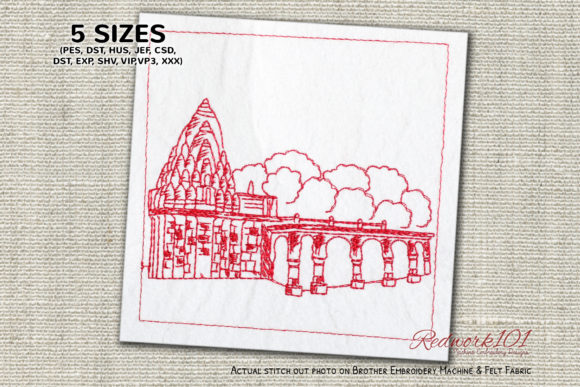
When I first loaded the machine embroidery design into my software, the immediate impression was one of refined simplicity. This is not a loud, chaotic pattern. It feels premium, minimal, and deeply respectful of negative space. For craft fair sellers, this is crucial. In a booth filled with bright colors and busy patterns, a clean, elegant design acts as a visual palate cleanser. It draws the eye because it is calm. The "Bluework" aspect suggests a monochromatic or limited color palette, which screams high-end boutique quality rather than mass-produced novelty.
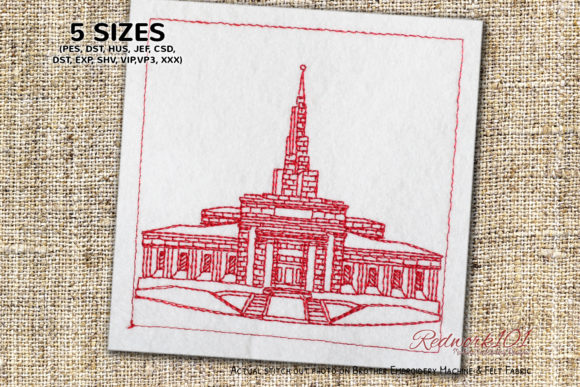
The description notes that the Box Stitch shown in the picture is optional. This flexibility is a huge selling point for us as creators. It means we can adapt the embroidery file to fit different products without losing the core identity of the artwork. If the outer box color differs from the main design, we have the option to skip that color directly in our machine, streamlining the production process.
Product Versatility for the Craft Fair Booth
To determine if Apia Samoa Temple Bluework is worth the hoop time, I mentally placed it on several standard craft fair product staples. Here is how it performs across different items:
- Tote Bags: This is arguably the strongest contender. A large, centered placement on a canvas tote creates a sophisticated tote bag design. The clean lines of the temple structure look intentional and artistic, appealing to buyers looking for meaningful, everyday carryalls.
- Aprons: For a bistro-style or hostess gift, this works beautifully as a chest pocket accent. It elevates a simple linen apron into a cherished kitchen heirloom.
- Tea Towels: Tea towel embroidery requires designs that are not too dense to avoid puckering. Since this design appears to have open spaces, it is ideal for textured waffle weaves or smooth flour sack towels.
- Embroidered Patches: If scaled down correctly, this could make a stunning iron-on patch. However, careful attention must be paid to the smallest details to ensure they do not get lost in the satin stitches.
- Pillow Covers: A corner placement on a neutral throw pillow adds a touch of spiritual or architectural interest without overwhelming the room’s decor.
Production Practicality and Batch Selling
For those of us running a small shop product line, time is money. Apia Samoa Temple Bluework seems designed for efficiency. Because the outer box is optional, you can reduce thread changes and trim times. This is vital when you are producing fifty units for a holiday market. The design feels repeatable, meaning you can set up an assembly line: hoop, stitch, trim, move to the next.
Photography is another key factor. This design photographs exceptionally well for Etsy seller listings. The contrast of blue thread against white or cream fabric creates a crisp, clean image that pops on mobile screens. You do not need expensive props; the design speaks for itself. Creating a printable mockup for your online store will be straightforward because the geometry is clear and predictable.
Careful-Use Notes and Technical Considerations
While the design is promising, there are technical aspects every embroiderer must consider before launching a full production run. Always check the stitch density. Even though it looks open, temple designs can sometimes have long runs of satin stitch that may snag if not properly stabilized.
- Fabric Texture: On thick, textured towels, ensure the needle is sharp enough to penetrate without pushing the fabric away. On dark fabrics, test your thread colors. A navy blue on black might disappear, so consider using a lighter blue or adding a subtle underlay if your machine allows.
- Curved Surfaces: If applying this to caps, be mindful of the center front seam. The geometric lines of the temple must remain straight. Use a strong stabilizer to prevent distortion on the curved crown.
- Small Lettering: If the design includes any text, inspect it at 100% zoom. Tiny lettering can become illegible if the stitch count is too low or the font too thin.
- Hoop Size: Confirm the required hoop size before purchasing. Ensure it fits your machine’s maximum area if you plan to scale it up for large market bags.
Enhancing Brand Consistency and Value
Using Apia Samoa Temple Bluework consistently across your product line builds brand recognition. Imagine a customer seeing the same elegant temple motif on a tote, a matching pouch, and a tea towel. It creates a cohesive collection that feels curated and professional. This perception of quality allows you to price your finished product higher. Buyers are not just paying for thread and fabric; they are paying for the artistry and the peaceful vibe the design evokes.
For commercial embroidery users, this design offers a respectful nod to cultural or religious significance without being overly ornate. It fits well in boutiques that sell mindfulness items, travel gear, or home decor. The visual appeal drives buyer engagement because it invites curiosity. People stop to ask, "What is that building?" which opens the door for you to share the story behind the design and your business.
Final Designer Recommendations
Before you list this as a digital embroidery file or start stitching hundreds of units, take these practical steps. First, test the design on scrap fabric that matches your intended final product. Check the thread contrast and review the spacing between elements. Inspect the back of the embroidery to ensure no excessive jumping threads that could irritate skin on wearable items.
Create at least one real mockup to see how the light hits the threads. Compare different fabric colors to find the combination that makes the bluework pop. Most importantly, confirm commercial licensing terms. While the description mentions skipping colors, it does not specify license limits. Always verify you have the right to sell finished goods made with this design assets package.
In conclusion, Apia Samoa Temple Bluework is a strong candidate for any embroiderer looking to add a touch of serene elegance to their inventory. It balances aesthetic beauty with production practicality, making it a smart choice for both Etsy shops and physical craft fair booths. With careful attention to stabilizer choice and fabric texture, this design can become a staple in your bestselling collection.