Bhimashankar Temple Redwork: A Designer’s Review
As an embroidery designer who has spent countless weekends behind a craft fair booth, I know that the difference between a browsing customer and a buying customer often comes down to visual impact. When I first loaded the Bhimashankar Temple Redwork onto my digitizing software, my immediate thought was about clarity and cultural resonance. This is not just another generic pattern; it is a piece of religious art translated into thread, designed for those who appreciate the sanctity of the Bhimashankar Jyotirlinga.
For handmade shop owners and Etsy sellers, finding designs that balance spiritual significance with modern aesthetic appeal is a challenge. This redwork design offers a striking solution. The single-color approach creates a bold, graphic look that stands out against neutral fabrics, making it an ideal candidate for a variety of small shop products. In this review, I will break down how this machine embroidery design performs in real-world production scenarios, from tote bags to tea towels, and what you need to know before adding it to your inventory.
First Impressions and Visual Appeal
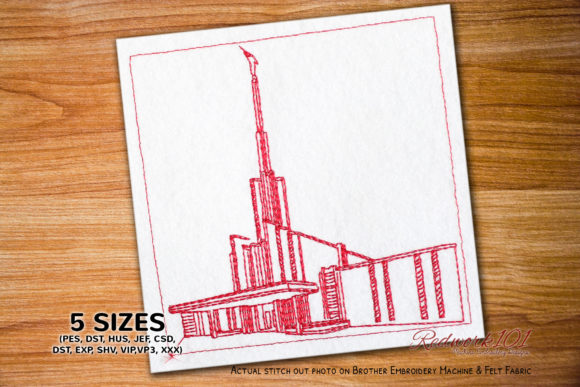
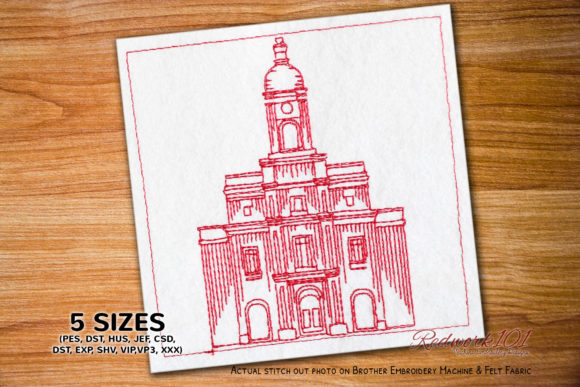
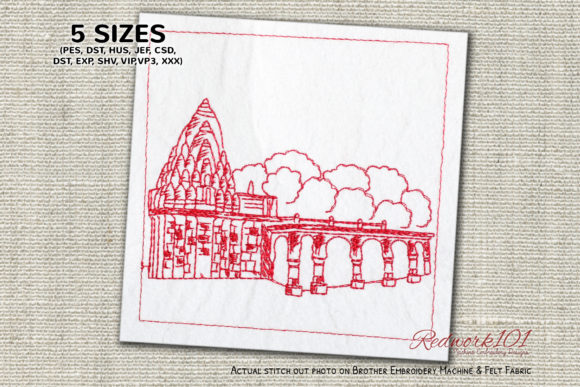
The term "redwork" traditionally refers to embroidery done in a single shade of red thread, but in modern digital embroidery, it often implies a monochromatic, high-contrast style. The Bhimashankar Temple Redwork captures the architectural essence of the temple with clean lines and defined shapes. My first impression was that it feels both rustic and premium. It lacks the clutter of multi-colored designs, which allows the intricate details of the temple structure to breathe.
For a craft fair product, simplicity is key. Customers walking past a booth have only seconds to register what they are seeing. A busy, multi-hued design can get lost in the noise of a market environment. However, this design’s strong silhouette ensures it is understood at a glance. It feels decorative yet minimal, fitting perfectly into the current trend of meaningful, understated home decor. Whether you are targeting devotees looking for a personal connection or tourists seeking a memorable souvenir, the visual weight of this embroidery commands attention without being overwhelming.
Product Versatility for Craft Fairs
One of the strongest assets of this embroidery file is its adaptability. As a designer, I always look for assets that can be applied across multiple product lines to maximize return on investment. Here is how I see this design performing on various items:
- Tote Bag Design: This is perhaps the most natural fit. A canvas tote with the temple centered in red thread creates a sturdy, everyday item that doubles as a statement piece. The contrast of red on natural cotton or beige canvas is timeless.
- Tea Towel Embroidery: Kitchen textiles are huge sellers at handmade markets. The redwork style complements the traditional feel of linen or cotton tea towels. It adds a touch of elegance and cultural pride to functional home goods.
- Apron Embroidery: For boutique makers creating chef aprons or gardening aprons, this design serves as a beautiful focal point on the bib. It elevates a simple garment into a giftable handmade product.
- Embroidered Patch: If you offer custom patches, this design works well if scaled correctly. It allows customers to add a spiritual element to jackets, bags, or hats without committing to a full garment embroidery.
- Pillow Covers: A square pillow cover with this central motif can anchor a living room’s decor. It appeals to buyers looking for subtle religious accents that blend with modern interior design.
When preparing your booth display, consider grouping these items together. Seeing the same design on a tote, a towel, and a pouch creates a cohesive brand story. It shows customers that you have a curated collection, which increases perceived value and encourages bundle purchases.
Production Notes and Technical Considerations
Before you start batch producing, there are critical technical aspects to consider. The product description notes that "The Box Stitch shown in picture is optional." This is a crucial detail for your workflow. The color of the outer box is a different color in most designs unless it is part of the design itself, meaning you can skip the color if you prefer a cleaner look. I highly recommend testing both versions. Sometimes, removing the box makes the temple structure feel more floating and ethereal, while keeping it provides a framed, finished look that might appeal to traditionalists.
Stitch density is another factor. Redwork designs can sometimes be sparse, which is great for speed but requires careful fabric selection. On thick fabric or textured towels, ensure your stabilizer is robust enough to prevent puckering. Since this is likely a satin or fill-heavy design depending on the digitizer’s choice, check the stitch count. If the density is too high for lightweight fabrics like silk or thin cotton, you may need to use a cut-away stabilizer to maintain shape.
Also, consider the hoop size. While the exact dimensions are not provided in the brief, you must confirm the hoop size required before purchasing or producing. If the design is large, it may not fit on standard cap frames or small pouches. Always create at least one real mockup on scrap fabric. Check thread contrast; red thread on dark fabric may vanish, so stick to light or neutral backgrounds for the best visibility.
Maximizing Sales and Brand Consistency
For Etsy sellers and digital sellers, the presentation is everything. When listing this as a commercial embroidery product or a finished good, high-quality photography is non-negotiable. The red thread must pop. Use natural light to capture the sheen of the thread and the texture of the fabric. Include a printable mockup in your digital listings if you are selling the embroidery file itself, showing potential buyers how it looks on different items.
Brand consistency is vital. If your shop focuses on spiritual or cultural themes, the Bhimashankar Temple Redwork reinforces your niche. It signals to your audience that you understand their values. For creative entrepreneurs, this design can be part of a larger series featuring other holy sites, creating a collectible aspect that drives repeat business.
Remember to check commercial licensing before selling finished products. Not all digital embroidery files come with unrestricted commercial rights. Ensure you have the proper license to sell the physical items you create. This protects your business and respects the creator’s work.
Final Verdict for Handmade Entrepreneurs
In conclusion, the Bhimashankar Temple Redwork is a versatile and visually striking addition to any embroidery designer’s library. It bridges the gap between traditional religious sentiment and modern craft aesthetics. Its strength lies in its simplicity and boldness, making it easy to produce and easy to sell. Whether you are stitching aprons for a local market or creating digital assets for global sale, this design offers a professional finish that enhances the perceived quality of your handmade products.
By paying attention to fabric choice, stabilizer support, and the optional box stitch, you can ensure every piece meets high standards. For craft fair sellers, this is a design that invites conversation and connection, turning a simple embroidered item into a meaningful keepsake. Test it, tweak it, and let it elevate your next collection.