Reviewing Scary Monster for Halloween Embroidery
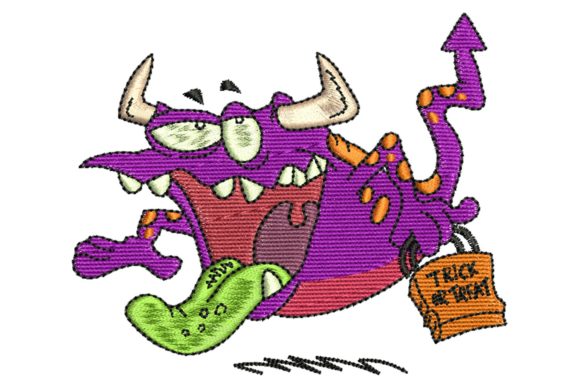
As an embroidery designer who has spent years curating collections for seasonal sales, I know that the difference between a bestseller and a leftover inventory item often comes down to character. When I first loaded the Scary Monster design into my digitizing software, I was looking for more than just a spooky motif. I was looking for a piece that could carry the emotional weight of the holiday while remaining versatile enough for various products. This design, derived from the excellent Trick or Treat bags clipart by Ron Leishman of Toonaday.com, offers a unique blend of playful nostalgia and classic Halloween charm.
First Impressions and Seasonal Mood
The immediate appeal of Scary Monster lies in its decorative style. It does not rely on gore or terrifying imagery, which limits its audience. Instead, it leans into a cute, whimsical aesthetic that appeals to families, children, and adults who appreciate a lighter take on the holiday. The lines are clean, suggesting a modern yet nostalgic feel that fits perfectly within current trends for handmade gifts. For an Etsy seller or small shop owner, this emotional tone is crucial. It invites buyers to imagine the design on their own items, creating an instant connection.
The detail level is balanced. It is intricate enough to look premium as a finished product but simple enough to stitch out reliably on home machines. This balance is vital for commercial embroidery where consistency and speed matter. The design feels festive without being overwhelming, making it an ideal candidate for a broad range of seasonal embroidery projects.
Product Applications for Holiday Sales
When planning a seasonal shop collection, versatility is key. Here is how Scary Monster performs across different product categories:
- Sweatshirt Embroidery: This is perhaps the strongest application. The bold lines of the monster stand out beautifully against heather grey or black fleece. It works well for family matching items, allowing parents and children to coordinate their Halloween outfits.
- Tote Bag Design: Canvas totes are a staple for trick-or-treating. Using this digital embroidery file on a sturdy cotton tote creates a durable, reusable alternative to plastic bags. The design’s playful nature encourages repeated use, extending the life of your marketing beyond October 31st.
- Kitchen Towel Embroidery: Home decor enthusiasts love seasonal accents. Stitching this monster onto flour sack towels adds a touch of humor to the kitchen. However, care must be taken with fabric texture to ensure the stitches do not pucker the lightweight material.
- Pillow Cover and Home Decor: A monochrome version of this design on a neutral pillow cover can serve as subtle fall decor that transitions easily into Halloween. It adds a cozy, rustic vibe to living spaces.
- Embroidered Patch: Creating iron-on or sew-on patches allows customers to customize their own jackets or backpacks. This expands your market to those who prefer DIY customization over buying finished garments.
Navigating Technical Challenges
While Scary Monster is a robust design, there are areas where caution is necessary. As an experienced designer, I always advise checking specific technical details before committing to a large production run. Since the original source is clipart, the conversion to a machine embroidery design requires careful attention to stitch density.
If you are stitching on stretchy garments like t-shirts or baby onesies, you must use a proper stabilizer. A cut-away stabilizer is often recommended for knit fabrics to prevent distortion after washing. Additionally, if you plan to use this design on dark fabric, consider using a white underlay or choosing thread colors with high contrast to ensure the monster’s features remain visible.
Small hoop sizes can be tricky. If the design includes fine details, ensure your hoop size is adequate to capture the full image without cropping essential elements. Always test stitch on a scrap piece of the same fabric type you intend to sell. This step helps you identify any issues with thread breaks or tension before you waste expensive materials on a final product.
Boosting Buyer Emotion and Brand Value
In the competitive landscape of holiday embroidery, visual recognition is everything. Scary Monster offers a distinct look that can help build brand consistency. By using this design across multiple product lines—from aprons to ornaments—you create a cohesive collection that shoppers recognize. This familiarity builds trust and encourages larger basket sizes.
For social media previews, the playful nature of the monster makes for engaging content. Short videos showing the stitching process or photos of the finished product on a child’s Trick or Treat bag can drive significant engagement. Use printable mockup tools to showcase how the design looks on various items before you even stitch a single thread. This allows you to gauge customer interest and adjust your inventory plans accordingly.
Practical Designer Notes for Success
To maximize the potential of this design, keep these practical tips in mind:
- Test Thread Colors: Experiment with both traditional Halloween palettes (orange, black, purple) and unexpected combinations (pastels or neon) to see what resonates with your audience.
- Check Stitch Density: High density can make items stiff, especially on towels or baby items. Adjust settings if necessary to maintain softness.
- Confirm Hoop Size: Ensure the design fits comfortably within your standard hoops to minimize re-hooping time.
- Review Small Details: After stitching a sample, inspect the eyes and mouth of the monster. These areas often require precise tension to look sharp.
- Commercial Licensing: Before selling finished seasonal products, confirm the licensing terms associated with the digital embroidery file. Ensure you have the right to use the Ron Leishman clipart derivative for commercial purposes.
Ultimately, Scary Monster is more than just a Halloween motif. It is a tool for creating memorable, high-quality handmade gifts that bring joy to customers. By understanding its strengths and limitations, you can integrate it seamlessly into your seasonal embroidery lineup, driving sales and enhancing your brand’s reputation for quality and creativity.