Review: Halloween Pumpkin with Cake Redwork for Merch
As an embroidery designer who has spent years digitizing files for small business owners, I look at every new machine embroidery design through a specific lens. It is not just about whether the artwork looks cute on a screen; it is about how that design performs when stitched out on real fabric, worn by customers, and used to build a brand. Today, I am reviewing the Halloween Pumpkin with Cake Redwork, a piece that sits at the interesting intersection of seasonal fun and classic stitching techniques.
For boutique owners, Etsy sellers, and local creative studios, finding the right balance between festive flair and professional presentation can be tricky. This design offers a unique approach by utilizing redwork style, which relies on single-color stitching to create outline-based imagery. Let us dive into how this specific asset holds up for commercial use.
First Impressions and Visual Personality
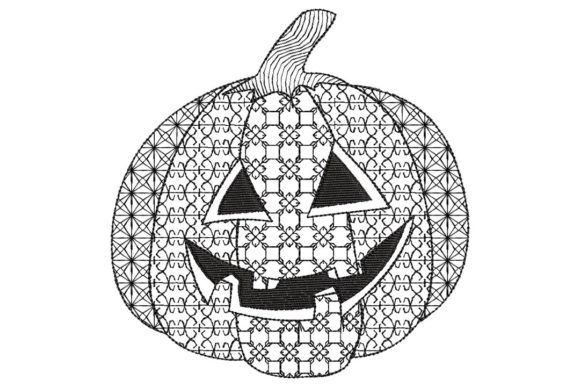
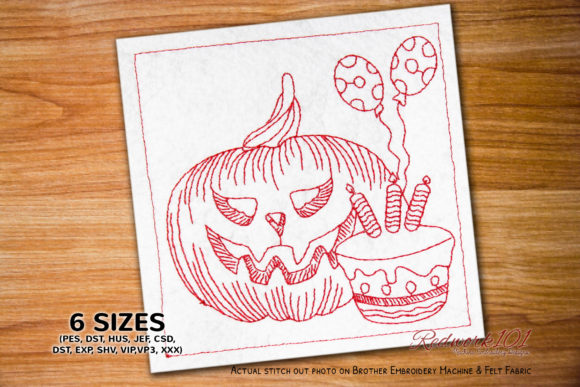
The immediate impression of the Halloween Pumpkin with Cake Redwork is one of rustic charm mixed with playful elegance. Unlike heavy-fill designs that can feel bulky or overly modern, redwork evokes a sense of tradition and handmade quality. The combination of a pumpkin—a staple of autumn aesthetics—with a cake suggests a celebration, making it perfect for bakeries, cafés, or craft shops looking to add a seasonal touch without losing their sophisticated edge.
The description notes that the box stitch shown in promotional pictures is optional. This is a crucial detail for designers. It means the core motif is versatile. You are not locked into a rigid square frame unless you want it. This flexibility allows the design to breathe, making it feel less like a stamped logo and more like an organic part of the garment. The aesthetic is friendly and approachable, yet the clean lines maintain a level of professionalism that cheap clip-art often lacks.
Real-World Applications for Small Business Merch
When evaluating a digital embroidery file for business use, I always ask: where does this live? For the Halloween Pumpkin with Cake Redwork, the applications are surprisingly broad due to its linear nature.
- Embroidered Patches: This is perhaps the strongest use case. Because redwork uses minimal thread coverage, patches remain lightweight and flexible. They can be ironed or sewn onto denim jackets, canvas tote bags, or even laptop sleeves as limited-edition seasonal items.
- Staff Uniforms and Aprons: For a bakery or café, apron embroidery is a subtle way to brand your team. A small version of this design on the chest pocket adds personality without overwhelming the uniform. It signals attention to detail and seasonal awareness to customers.
- Cap Embroidery: Curved surfaces are challenging for dense designs. However, the open nature of redwork makes it ideal for cap fronts or side panels. It sits flat against the fabric, reducing puckering and ensuring comfort for the wearer.
- Tote Bag Design: Canvas totes are a huge seller for handmade brands. This design works beautifully as a central feature or a corner accent. The contrast of red thread on natural canvas is visually striking and highly Instagrammable, which drives social engagement.
Using this design as part of your small business merch strategy can elevate perceived value. It transforms a standard item into a collectible piece of art. Customers are increasingly drawn to products that feel curated and thoughtful, and a well-executed embroidered detail delivers exactly that.
Technical Considerations and Placement Strategy
While the design is versatile, there are areas where caution is required. As a designer, I must point out that redwork relies entirely on line integrity. If the stitch density is too low, gaps may appear in the outlines, especially on textured fabrics. Conversely, if the density is too high, the fabric may pucker.
You must consider the hoop size relative to the design. If you are scaling this down for a small patch or a sleeve detail, ensure that the finer details of the cake and pumpkin do not become indistinguishable blobs of thread. Always test the design at the intended size before running a full production batch.
Another critical factor is the stabilizer. Since redwork has less thread mass to hold the fabric together compared to fill stitches, using the correct cut-away or tear-away stabilizer is essential. On stretchy fabrics like jersey tees, a cut-away stabilizer will prevent the design from distorting after washing. On stable wovens like twill or canvas, a tear-away may suffice, but testing is non-negotiable.
The product description mentions that the color of the outer box is different in most designs unless it is part of the design itself, and you can skip it. This implies that the file likely allows for color stops or separate elements. This is advantageous for custom apparel projects where you might want to match specific brand colors. However, remember that redwork traditionally uses a single color. Introducing multiple colors can complicate the stitching process and increase production time, which impacts your profit margins.
Impact on Brand Identity and Customer Trust
Your brand identity is built on consistency and quality. Using a generic, poorly digitized design can undermine customer trust. In contrast, a clean, well-spaced design like the Halloween Pumpkin with Cake Redwork reinforces a image of craftsmanship. It tells your customers that you care about the finished product.
For handmade brands, this design serves as a bridge between traditional craft and modern commerce. It feels authentic. When customers see precise stitching and thoughtful design choices, they are more likely to perceive the entire product as premium. This perception justifies higher price points and fosters loyalty. It is not just a pumpkin; it is a representation of your studio’s standards.
Practical Designer Notes for Production
Before you load this embroidery file into your machine for a client order, follow these steps to ensure success:
- Test in Black and White First: Stitch out the design in black thread on white fabric. This reveals any spacing issues or density problems without the distraction of color. It helps you see the structural integrity of the digitizing.
- Check Thread Color Contrast: If you are stitching on dark uniforms, ensure your thread color pops. Traditional redwork uses red, but for a Halloween theme, orange or even gold could work. Just ensure the contrast is high enough for visibility from a distance.
- Verify Commercial Licensing: The prompt does not specify license terms. Always confirm with the seller that the file includes commercial rights before using it for goods you intend to sell. Protect your business from legal issues.
- Create a Printable Mockup: Before stitching, place the design digitally on a photo of your actual product. This helps you visualize scale and placement, ensuring it complements rather than clutters the item.
- Inspect Spacing: Look closely at the transition between the pumpkin and the cake. Are the lines too close? Will they merge during stitching? Adjust tension or density if necessary based on your machine’s behavior.
In conclusion, the Halloween Pumpkin with Cake Redwork is a strong contender for small businesses looking to add seasonal variety to their design assets. It balances whimsy with professionalism, offering a versatile option for patches, apparel, and accessories. By paying attention to technical details like stabilizer choice and stitch density, you can produce a finished product that enhances your brand and delights your customers. Remember, the key to successful commercial embroidery is not just the design itself, but how thoughtfully it is applied to the medium.