Review: Butterfly Seamless Pattern Redwork for Craft Fairs
As an embroidery designer who has spent countless weekends behind a booth table, I know that the difference between a browser and a buyer often comes down to visual impact. When I first loaded the Butterfly Seamless Pattern Redwork into my digitizing software, my immediate thought was about versatility. This isn’t just another bug motif; it is a strategic asset for any handmade business looking to streamline production without sacrificing aesthetic appeal. The redwork style, traditionally known for its single-color elegance, offers a timeless look that transcends seasonal trends, making it a safe yet stylish investment for your inventory.
First Impressions and Aesthetic Appeal
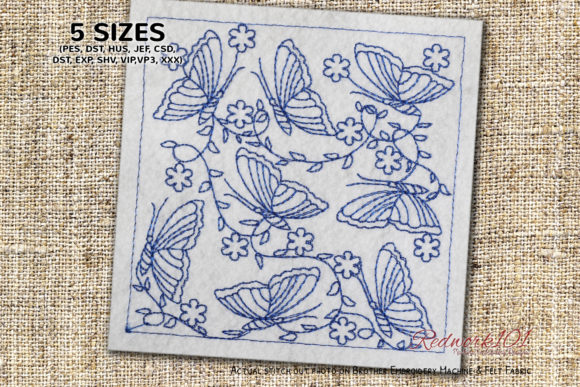
The initial glance at this design suggests a blend of rustic charm and modern minimalism. Redwork has historically been associated with farmhouse decor, but when applied to a seamless pattern featuring butterflies, it feels fresh and airy. For a craft fair seller, this duality is powerful. It appeals to customers looking for traditional handmade product quality while fitting seamlessly into contemporary home decor styles. The simplicity of the line work ensures that the design remains legible from a distance, a crucial factor when competing for attention in a busy market aisle.
Unlike complex, multi-colored designs that can look muddy from afar, the high-contrast nature of redwork allows the Butterfly Seamless Pattern Redwork to pop against neutral fabrics. Whether you are aiming for a cute, soft vibe or a more decorative, premium feel, this design adapts well. It does not scream for attention with neon threads but rather invites closer inspection with its clean, continuous lines. This subtlety often translates to higher perceived value, as customers associate clean stitching with professional craftsmanship.
Product Applications for Maximum Sales
When planning your booth display, consider where this pattern will perform best. Because it is a seamless pattern, it offers unique opportunities that single-motif designs do not. Here is how I would deploy this machine embroidery design across various products:
- Tote Bags and Market Bags: A repeated pattern along the bottom hem or as an all-over print effect creates a custom fabric look that is highly desirable. It transforms a plain canvas tote into a statement piece.
- Tea Towel Embroidery: Redwork is synonymous with kitchen textiles. Using this butterfly pattern on linen or cotton towels adds a touch of elegance that appeals to gift buyers. The lightweight nature of the stitches ensures the towel remains functional and absorbent.
- Apron Embroidery: A band of butterflies across the bib or the waist tie adds a cohesive design element that looks intentional and polished. It elevates a standard utility item into a boutique-quality accessory.
- Embroidered Patch: If you isolate a single butterfly from the seamless pattern, it makes for an excellent iron-on or sew-on patch. Patches are low-cost, high-margin items that encourage impulse buys at checkout.
- Pillow Covers: For home decor, framing the seamless pattern within a hoop or using it as a border on square pillows can create a sophisticated, coordinated look.
For Etsy seller accounts, this design also serves well in digital listings. You can create a printable mockup showing the pattern on various backgrounds, which helps online shoppers visualize the end result. This reduces hesitation and can increase conversion rates for both physical and digital goods.
Production Efficiency and Practicality
One of the biggest challenges for small shop owners is batch production. Complex designs with high stitch density take longer to run and require more thread changes. The Butterfly Seamless Pattern Redwork, by virtue of its style, is generally faster to stitch. Redwork typically uses a single thread color, which minimizes machine downtime. This efficiency allows you to produce more units in less time, directly impacting your profit margins.
However, there are technical considerations. The description notes that "The Box Stitch shown in the picture is optional." This is a critical detail. If you are stitching on a curved surface like a cap, you might want to omit the box to avoid distortion. On flat surfaces like tote bags, the box can provide a neat frame, but ensure the outer box color contrasts well if it is not part of the main design. Always check the embroidery file settings to confirm if the box is a separate element you can toggle off.
Technical Considerations and Careful Use
While this design is user-friendly, it is not without its pitfalls. As an experienced designer, I advise testing the design on scrap fabric before committing to your final inventory. Pay close attention to the following:
- Fabric Texture: On textured towels, fine lines can get lost. Ensure your needle size and thread weight are appropriate for the fabric weave. A slightly thicker thread may help maintain visibility on rougher textures.
- Stabilizer Choice: Even though redwork is light, using the wrong stabilizer can cause puckering. For lightweight fabrics like tea towels, a cut-away stabilizer might be too stiff; try a tear-away or wash-away option to maintain the drape of the fabric.
- Thread Contrast: Since this is a single-color style, the choice of thread is paramount. Classic red is traditional, but consider deep navy, forest green, or charcoal for a modern twist. Ensure the thread color stands out against your fabric base.
- Hoop Size: Verify the required hoop size for the seamless repeat. If you are creating an all-over pattern, you will need to master hooping techniques to ensure the pattern aligns correctly across multiple runs.
Additionally, be mindful of dense stitch areas if the design includes filled elements alongside the outline. While redwork is typically open, some variations may include satin stitches. Check the design assets to ensure the density is suitable for your machine and fabric combination.
Enhancing Brand Consistency and Buyer Engagement
Incorporating the Butterfly Seamless Pattern Redwork into your product line can strengthen your brand identity. If your shop focuses on nature-inspired or vintage-style items, this design reinforces that narrative. Consistency in design language helps customers recognize your work, fostering loyalty and repeat business. When customers see a cohesive collection of tote bags, aprons, and towels featuring the same motif, it signals a professional, thoughtful approach to commercial embroidery.
Furthermore, this design encourages engagement. Customers often ask about the technique, giving you an opportunity to share your expertise. Explaining the history of redwork or the process of creating a seamless pattern adds value to the finished product and justifies a higher price point. It transforms a simple transaction into an educational experience, which is a key advantage of buying handmade.
Final Designer Notes
Before launching this design in your store, remember to verify the licensing terms. Not all digital embroidery file purchases include commercial rights. Confirm that you are allowed to sell finished products made with this design. Also, since specific details like exact stitch count and file formats are not provided in the brief description, download the sample or contact the creator to ensure compatibility with your machine.
Create at least one real mockup for your marketing materials. Photograph the design on different fabric colors to show versatility. Compare how it looks on white cotton versus natural linen. These small steps can make a significant difference in how your small shop product is perceived online and in person. By treating the Butterfly Seamless Pattern Redwork not just as a file, but as a core component of your product strategy, you can maximize its potential and drive sales at your next craft fair.