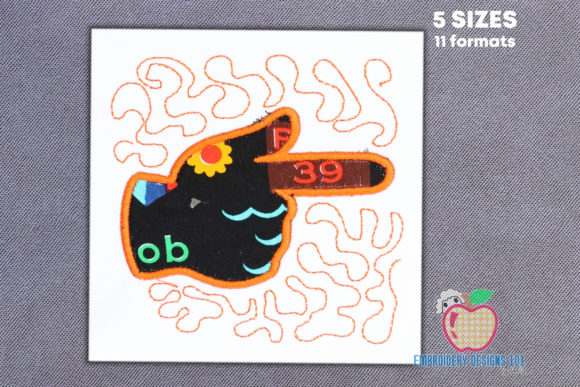
Pointing Hand Applique: A Designer’s Review
As an embroidery designer who spends countless hours digitizing and testing designs for commercial use, I have developed a keen eye for what makes a machine embroidery design truly viable for real-world projects. It is not just about how the artwork looks on a screen; it is about stitch flow, density management, and how well the final product holds up after washing and wearing. Recently, I evaluated the Pointing Hand Applique available on Creative Fabrica to determine if it meets the rigorous standards required for my small business and client orders.
This particular design falls under the Boys category, but its playful and directive nature gives it a versatility that extends far beyond gendered marketing. Whether you are creating custom apparel for children or adding a whimsical touch to adult accessories, understanding the technical merits of this file is crucial before you hit the download button.
First Impressions and Visual Appeal
The first thing that strikes me about the Pointing Hand Applique is its clean, graphic quality. In the world of applique design, simplicity is often key to ensuring crisp edges and professional results. This design features a clear silhouette with distinct color separation steps, which is essential for efficient machine operation. The visual mood is energetic and engaging, making it an excellent choice for items that need to grab attention, such as promotional tote bags or statement sweatshirts.
The detailing suggests a mix of satin and fill stitches, though the primary focus is on the applique fabric itself. This approach reduces stitch count compared to full-coverage embroidery, which is a significant advantage when working with stretchy fabrics or smaller hoop sizes. The pointing gesture adds a dynamic element, guiding the viewer’s eye across the garment or item, which can be strategically used to highlight logos, names, or other design elements placed nearby.
Performance in Real Embroidery Projects
When considering a new digital embroidery file, I always ask myself where it will perform best. For the Pointing Hand Applique, I see immediate potential in several areas of my product line:
- Custom Apparel: The design works exceptionally well on sweatshirt embroidery projects. The bold lines stand out against fleece or cotton blends, and the applique technique adds texture without excessive bulk.
- Tote Bag Design: Canvas totes benefit from sturdy designs. This hand motif can serve as a fun directional cue, perhaps pointing to a pocket or a printed message, enhancing the utility and aesthetic of the bag.
- Embroidered Patch Creation: Because the design is self-contained and graphic, it is ideal for creating iron-on or sew-on patches. These can be sold as standalone design assets or added to jackets and caps for a customized look.
- Nursery Decor and Baby Items: While categorized under Boys, the neutral concept of a pointing hand fits perfectly into modern nursery decor. It can be stitched onto pillow covers or baby blankets, adding a playful interactive element for toddlers.
For Etsy sellers and craft fair vendors, this type of handmade product offers high perceived value. The combination of fabric layers and stitching creates a tactile experience that buyers appreciate. It elevates a standard item into a personalized gift that feels thoughtful and unique.
Technical Considerations for Stitching Success
While the design is appealing, successful execution requires attention to technical details. Since this is an applique, the placement of the fabric cut is critical. You must ensure that your cutting marks are precise to avoid jagged edges that detract from the professional finish. I recommend using a sharp pair of applique scissors or a hot-cutting tool if your fabric allows, to seal the edges and prevent fraying.
Stitch density is another factor to monitor. Although applique generally uses less thread than full embroidery, the tack-down stitches and the border satin stitches must be balanced. If the density is too high on lightweight fabric, you may experience puckering. Conversely, on heavy denim or canvas, you need to ensure the needle penetrates cleanly without breaking. Always test on scrap fabric that matches the weight and weave of your final material.
Hoop size is also a consideration. While the description notes that the design comes in multiple formats, you should confirm the specific dimensions fit your intended project. For smaller items like caps or baby bibs, ensure the design scales down without losing detail. Curved surfaces, such as those found on baseball caps, require careful hooping and possibly a different stabilizer strategy to prevent distortion.
Fabric and Stabilizer Selection
Choosing the right stabilizer is non-negotiable for a clean result. For stretchy fabrics like jersey knits used in t-shirts, a cut-away stabilizer provides the necessary support to keep the applique flat and secure over time. For woven fabrics like cotton twill or linen, a tear-away stabilizer may suffice, especially if the design is not overly dense. When working with dark fabric, consider using a white or light-colored applique fabric to create maximum contrast, or choose thread colors that pop against the background.
Thread color contrast plays a huge role in the visibility of the design. A monochromatic look can be sophisticated, but for a playful Boys themed item, bright, contrasting threads for the border stitch can enhance the cartoon-like charm of the pointing hand. Always review your thread chart against the fabric swatch before starting the final piece.
Enhancing Product Value and Brand Consistency
Incorporating the Pointing Hand Applique into your product lineup can significantly boost buyer trust and engagement. Customers are drawn to items that show craftsmanship. The visible texture of the applique fabric combined with the precision of machine stitching signals quality. This is particularly important for commercial embroidery businesses where repeat customers rely on consistent excellence.
From a marketing perspective, this design lends itself well to printable mockup creation. You can easily visualize how the hand points to specific features in your product photography, creating dynamic images for your online shop. Whether you are selling finished products or offering customization services, having versatile design assets like this allows you to quickly respond to trends and customer requests.
Moreover, the durability of an applique design means the finished product can withstand frequent washing, a key selling point for parents buying children’s clothing or anyone purchasing kitchen towels and aprons. Ensuring that the edges are well-tacked and the fabric is pre-washed if necessary will help maintain the integrity of the design over time.
Final Verdict and Practical Advice
The Pointing Hand Applique is a solid addition to any embroidery designer’s library. Its versatility across various Embroidery projects, from caps to home decor, makes it a valuable tool for expanding your product range. However, before integrating it into your commercial workflow, take the following steps:
- Check File Details: Verify the included formats match your machine’s requirements. The product description states it comes with multiple embroidery file formats, but always double-check compatibility.
- Review Licensing: Confirm the license terms on the Creative Fabrica product page. Ensure you are compliant with rules regarding selling finished items versus digital files.
- Test Stitch Out: Always run a test stitch on similar fabric to check for registration issues or tension problems.
- Inspect Small Details: After stitching, inspect the points of the fingers and the edge of the applique to ensure they are sharp and secure.
By approaching this design with a critical eye and proper preparation, you can leverage its playful energy to create standout pieces that resonate with your audience. Whether you are a seasoned pro or a growing handmade shop owner, the Pointing Hand Applique offers a reliable and charming option for your next creative venture.