Fresh Cauliflower Vegetable Redwork: A Designer’s Review
As an embroidery designer who has spent years digitizing files for small businesses, I approach every new machine embroidery design with a critical eye. It is not enough for a pattern to look pretty on a screen; it must perform under the needle, survive industrial washing, and elevate the brand it represents. Today, I am reviewing Fresh Cauliflower Vegetable Redwork, a digital asset that promises to bring a touch of organic charm to commercial projects. This review focuses on its viability for branded merchandise, staff uniforms, and boutique product lines.
First Impressions and Visual Personality
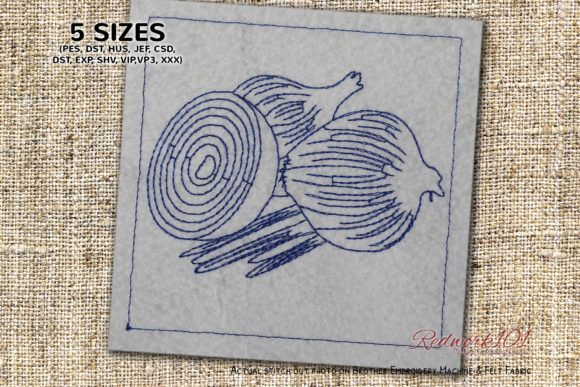
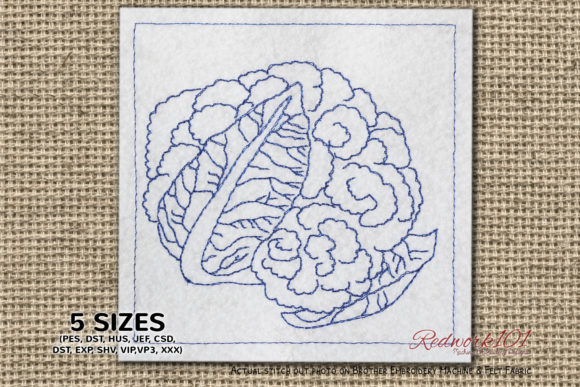
The title itself suggests a specific aesthetic. "Redwork" traditionally refers to monochromatic embroidery, often using red thread on white fabric, which evokes a sense of heritage, rustic charm, and handmade authenticity. When I visualize Fresh Cauliflower Vegetable Redwork, I see a design that leans heavily into the "farm-to-table" narrative. For a business in the Food sector, this visual language is powerful. It does not scream modern minimalism or corporate sterility; instead, it whispers warmth, tradition, and care.
The description notes that cauliflower is part of the Brassica oleracea species. While this botanical detail is interesting, from a design perspective, it tells me the motif likely features recognizable florets and leafy structures. The mention of an optional "Box Stitch" suggests versatility. This implies the digitizer has considered different finishing styles, allowing the user to choose between a clean, outlined look or a more filled, substantial appearance. This flexibility is crucial for adapting the design across various design assets.
Performance in Real Business Applications
For small business owners, particularly those in the culinary or artisanal sectors, this embroidery file offers several practical applications. Let us break down how Fresh Cauliflower Vegetable Redwork performs in common commercial scenarios.
- Staff Uniforms and Aprons: An embroidered apron is a walking billboard for a bakery or café. Using this design as a chest logo accent adds a layer of professionalism that printed logos often lack. The texture of the thread against canvas or denim aprons creates a tactile experience that customers notice.
- Custom Apparel and Caps: For a farm stand or organic grocery store, cap embroidery featuring this vegetable motif can unify the team. However, placement is key. On a curved cap front, the design must be scaled correctly to avoid distortion.
- Tote Bag Design: Reusable tote bags are a staple of eco-friendly branding. A simple redwork cauliflower stitched onto a natural cotton tote transforms a basic item into a desirable handmade product. It appeals to customers who value sustainability and aesthetic consistency.
- Branded Patches: Creating an embroidered patch allows for maximum versatility. You can sew these patches onto jackets, hats, or even packaging. If the design holds up well at smaller sizes, it becomes a cost-effective way to brand multiple product lines without re-digitizing.
Technical Considerations for Production
While the aesthetic appeal is strong, technical execution determines whether a project succeeds or fails. As a designer, I always advise checking specific details before running a full production batch. The provided description mentions that the color is optional and the box stitch is optional, but it does not specify exact stitch count, file format, or recommended hoop size. Therefore, you must verify these details with the seller before purchase.
Stitch Density and Fabric Texture
Redwork designs typically rely on outline stitches rather than dense fills. This is generally good news for fabric texture preservation, as it prevents puckering on lighter materials like cotton tote bags or linen napkins. However, if you choose to use the optional box stitch or fill areas, you must monitor the stitch density. High density on thin fabric requires a cut-away stabilizer to maintain shape, while a tear-away stabilizer might suffice for heavier denim or canvas.
Thread Colors and Contrast
Since this is a redwork-style design, contrast is everything. Test it in black and white first. If the design relies on subtle shading that disappears in monochrome, it may not read well from a distance. For a small business merch line, ensure your thread colors match your brand identity. A deep burgundy might feel more premium than a bright primary red, depending on your logo palette.
Strategic Branding and Customer Trust
Integrating Fresh Cauliflower Vegetable Redwork into your product line is not just about decoration; it is about brand identity. In the crowded marketplace of Etsy sellers and local boutiques, consistency builds trust. When a customer sees the same high-quality embroidery on your apron, your tote bag, and your product packaging, it signals attention to detail.
This design supports a narrative of freshness and natural ingredients. For a florist or a pet brand offering organic treats, this vegetable motif reinforces the message of wholesome, natural care. It enhances the perceived value of the finished product. Customers are often willing to pay more for items that feel handcrafted and unique, rather than mass-produced. Embroidery provides that tangible proof of effort and quality.
Where to Use Caution
Not every application is suitable for every design. Here are scenarios where you should proceed with care:
- Small Patch Sizes: If the cauliflower design has intricate inner details, shrinking it too much for a tiny lapel pin or small tag may cause the stitches to merge. Always create a printable mockup at actual size to check legibility.
- Dark Uniforms: Traditional redwork uses light thread on dark fabric or vice versa. Ensure you have high-contrast thread options. If the design lacks solid fills, it might get lost on busy patterns or dark, textured fabrics.
- Frequent Washing: Items like kitchen towels and aprons undergo rigorous cleaning. Verify that the digitizing includes proper tie-offs and underlay stitches to prevent unraveling. Commercial embroidery must withstand industrial laundering.
Final Designer Notes
Before committing to a large run of custom apparel or merchandise, follow these steps:
- Test on Real Fabric: Do not rely solely on screen simulations. Stitch out the design on the exact material you plan to use.
- Confirm Commercial Licensing: Ensure the digital embroidery file comes with a license that permits commercial use. This is non-negotiable for business applications.
- Check Hoop Size Compatibility: Make sure the design fits within your machine’s standard hoops to avoid unnecessary re-hooping or resizing issues.
- Compare Beside Other Assets: Place the stitched sample next to your existing logo and packaging. Does Fresh Cauliflower Vegetable Redwork complement your current visual style, or does it clash?
In conclusion, Fresh Cauliflower Vegetable Redwork is a promising asset for businesses looking to convey warmth, tradition, and natural quality. By paying attention to technical details like stabilizer choice and thread contrast, you can transform this simple vegetable motif into a powerful tool for brand recognition and customer engagement. Whether used on a chef’s apron or a shopper’s tote, it adds a stitch of authenticity that resonates with today’s conscious consumers.