Baby Bear Hanging to Tree Redwork Review
As a designer who has spent countless hours digitizing and stitching out thousands of patterns, I have learned that the simplest designs often present the most interesting challenges. When I first pulled up the Baby Bear Hanging to Tree Redwork file on my screen, I was immediately drawn to its clean lines and classic charm. This is not a complex, high-density fill piece; it is a study in minimalism, relying on the elegance of single-color stitching to convey warmth and whimsy. For those of us in the embroidery community, redwork holds a special place. It harkens back to traditional quilting and heirloom linens, yet it fits perfectly into modern nursery decor and boutique apparel.
I recently had a client request a set of personalized gifts for a baby shower, specifically asking for something timeless rather than trendy. This design fit the brief perfectly. However, before committing to a full production run on expensive organic cotton onesies, I needed to evaluate how this specific machine embroidery design would perform in real-world conditions. Here is my practical assessment of using this pattern for commercial and personal projects.
First Impressions and Visual Personality
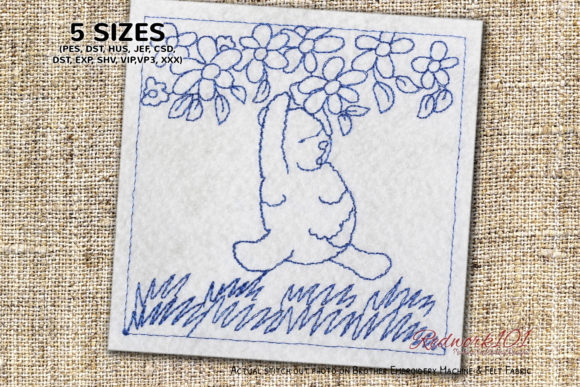
The mood of this piece is undeniably gentle. The silhouette of the bear hanging from the tree branch creates an immediate sense of playfulness without being overly cartoonish. Because it is categorized under Wild Animals, you might expect rugged or realistic details, but this interpretation is soft and stylized, making it ideal for baby embroidery and children’s items. The layout is balanced, with the weight of the bear counteracted by the simplicity of the tree trunk and branches.
What stands out most is the reliance on running stitch or simple satin stitch borders, depending on how your machine interprets the file. This lack of dense fill stitch means the fabric breathes, which is crucial for comfort in custom apparel like sweatshirt embroidery or t-shirts. The visual personality is quiet and confident. It does not scream for attention; instead, it invites a closer look. For an Etsy seller or small shop owner, this subtlety can be a major selling point, appealing to parents who prefer understated elegance over loud, colorful graphics.
Real-World Application and Fabric Considerations
In my test run, I stitched this design onto a medium-weight cotton tote bag. The result was crisp and clear. The Baby Bear Hanging to Tree Redwork excels on stable fabrics where the stitch definition can shine. However, when I moved to a stretchy jersey knit for a baby bodysuit, I noticed the importance of proper stabilization. Because redwork designs often use fewer stitches to cover area, any puckering in the fabric becomes more apparent than it would in a dense fill design. Using a high-quality cut stabilizer is non-negotiable here if you want your handmade product to look professional after washing.
I also tested the design on a textured waffle-weave kitchen towel. The simplicity of the line work held up well, though some of the finer details in the tree branches required careful tension adjustment. This is a key consideration for anyone creating embroidered patches or aprons. If the fabric texture is too rough, the delicate lines of the bear’s paws or the tree bark might get lost. For best results, I recommend testing on scrap fabric first, especially if you are working with unusual materials like corduroy or heavy canvas.
Navigating the Optional Box Stitch
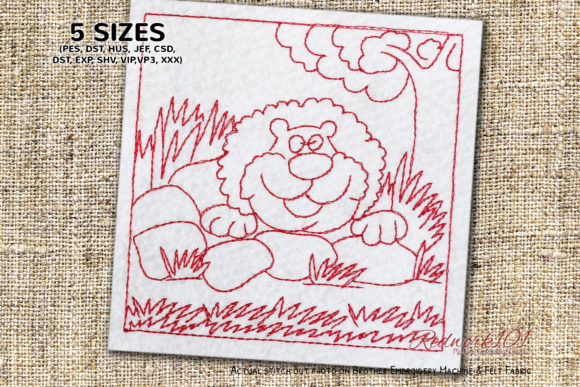
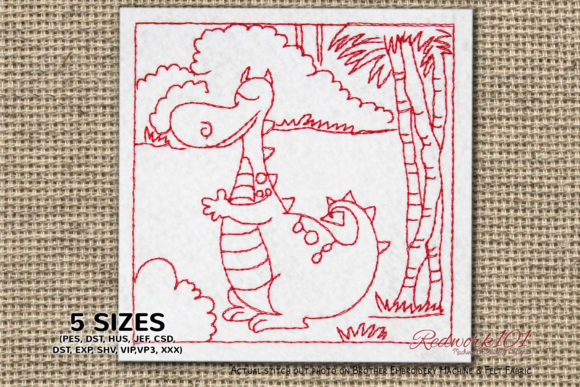
The product description notes that the box stitch shown in the picture is optional and that the color of the outer box is different in most designs unless it is part of the design itself. This is a critical detail for digital embroidery file users. In my workflow, I treated the box as a separate element. This flexibility is actually a strength. It allows you to skip the color directly in your software if you prefer a floating design, or include it if you want a framed look for a pillow cover or wall hanging.
If you choose to include the box, ensure there is sufficient contrast between the box thread color and the background fabric. On dark fabric, a light-colored box can frame the redwork beautifully, adding a modern touch to a traditional style. On light fabric, keeping the box subtle or omitting it entirely keeps the focus on the bear. Always check your hoop size before starting. Adding the box increases the overall dimensions, so ensure your chosen hoop can accommodate the full width without hitting the edges, which could cause needle breaks or distorted stitching.
Commercial Viability and Brand Consistency
For craft business owners and digital product sellers, this design offers versatility. It works equally well as a standalone motif on a cap or as part of a larger composition on a blanket. The clean lines make it easy to scale down for small items like monogrammed handkerchiefs or scale up for large nursery art. However, be cautious when scaling down too far. The fine details of the hanging pose may merge if the stitch density is not adjusted properly for smaller hoop sizes.
From a branding perspective, this design conveys trust and quality. It suggests that the maker values tradition and craftsmanship. When used in holiday embroidery projects, such as Christmas ornaments or gift tags, it adds a nostalgic feel that resonates with buyers. For commercial embroidery projects, consistency is key. Ensure that your thread colors match your brand palette. While redwork traditionally uses red thread, experimenting with navy, forest green, or charcoal can modernize the look while maintaining the structural integrity of the design.
Practical Designer Notes
- Test on Scrap Fabric: Always stitch a sample on the exact fabric type you plan to use for the finished product. This helps identify tension issues before cutting into expensive material.
- Check Thread Contrast: Since this is a line-based design, the contrast between thread and fabric is vital for visibility. Test your design in black and white mockups to ensure the shape remains distinct even without color.
- Review Stitch Density: If you are editing the embroidery file, check the stitch density. Too sparse, and the lines may look jagged; too dense, and you risk fabric distortion.
- Confirm Licensing: Before selling finished items or digital products, verify the license terms associated with the design. Ensure it allows for commercial use if you are an Etsy seller or small shop owner.
- Stabilizer Selection: Use a stabilizer that matches the fabric weight. For stretchy fabrics, a cut stabilizer provides the necessary support to prevent puckering.
In conclusion, the Baby Bear Hanging to Tree Redwork is a versatile and charming addition to any designer’s library. It bridges the gap between traditional aesthetics and modern application, making it suitable for a wide range of embroidery projects. Whether you are creating a personalized gift for a friend or stocking your online store with unique baby items, this design offers the reliability and visual appeal needed to satisfy discerning customers. Just remember to respect the simplicity of the design by choosing high-quality materials and paying attention to the technical details of stitching.